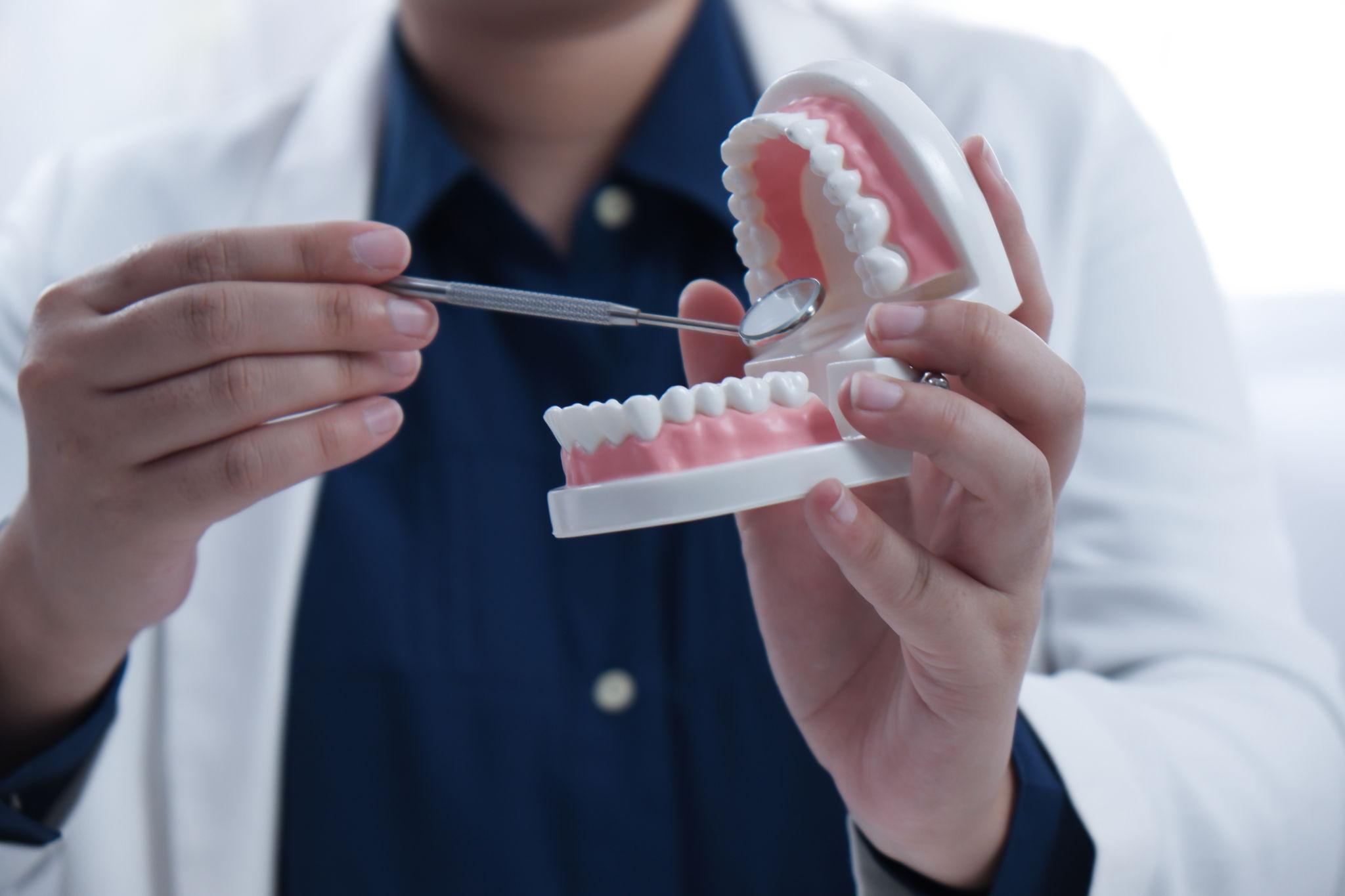
Preparing for a dental implant isn't just about the day of the surgery; it's about the meticulous "behind-the-scenes" work that ensures your new tooth lasts a lifetime. Think of it like building a house—you wouldn't start pouring concrete without a blueprint and a soil sample.
In the world of implant dentistry, that blueprint consists of three pillars: Bloodwork, CBCT Imaging, and Precision Measurements. Here is what you need to know about each step of the prep phase.
1. The Internal Check: Blood Tests
Most people are surprised they need a blood test for a dental procedure. However, implants rely on osseointegration—the process where your bone actually fuses to the titanium post. If your body’s healing chemistry is off, the implant may fail.
What dentists are looking for:
- HbA1c (Diabetes): Uncontrolled blood sugar is the leading cause of slow healing and implant infection.
- Vitamin D & Calcium: These are the building blocks of bone. If your levels are low, your jaw might not "grip" the implant properly.
- CBC (Complete Blood Count): To ensure your immune system is ready to fight off bacteria and that your blood clots correctly after surgery.
- Vitamin B12: Common deficiency in Indians, leading to slow recovery.
2. The 3D Blueprint: CBCT Scans
A standard X-ray is 2D, like a photograph. But your jaw is a complex, 3D structure filled with "no-go zones" like nerves and sinus cavities. This is where the CBCT (Cone Beam Computed Tomography) comes in.
Why it's a game‑changer:
- Bone Density: It measures if your bone is "thick" enough to hold the screw.
- Nerve Mapping: It allows the dentist to see exactly where the alveolar nerve is, preventing any risk of permanent numbness.
- Virtual Surgery: Many dentists use this scan to perform a "digital surgery" on a computer before they ever touch your mouth, ensuring placement is perfect to the millimetre.
3. The Perfect Fit: Tooth & Arch Measurements
An implant shouldn't just feel like a tooth; it should look like it belongs there. This phase involves taking digital or physical impressions of your mouth.
What is being measured:
- Mesiodistal Space: The width of the gap. If too narrow, the crown won't fit; too wide, food gets trapped.
- Bite Alignment: Your dentist ensures the new tooth hits its "partners" perfectly so you don't develop jaw pain (TMJ) later.
- Gingival Height: Measuring the gum line to ensure the final tooth looks natural and sits flush against the tissue.
Why This Matters
Skipping these steps is like flying blind. By the time you sit in the chair for the actual procedure, your dentist should already know exactly how much bone you have, where every nerve sits, and how your body will react to the healing process.
Pro Tip:
If you are a smoker or taking bone‑density medications (bisphosphonates), be sure to mention this during your blood test review, as these can significantly impact your preparation plan.
Ready to start your journey?
Preparation might take a few weeks, but it’s the difference between a "quick fix" and a permanent smile.
So if your dentist doesn’t do the above steps – it’s not implant planning, it’s like a lottery.